Unlocking better, greener long term rental housing
Build-to-rent is becoming a defining part of Australia’s housing system. As a long-hold asset class, its success depends on buildings that perform well over time — financially, environmentally and socially.
Keys to Change, GBCA’s flagship business case for build-to-rent, sets out why sustainability is no longer optional for BtR — and how early decisions can lock in cost, risk or value for decades.
"*" indicates required fields
Keys to Change: the business case for sustainable build-to-rent
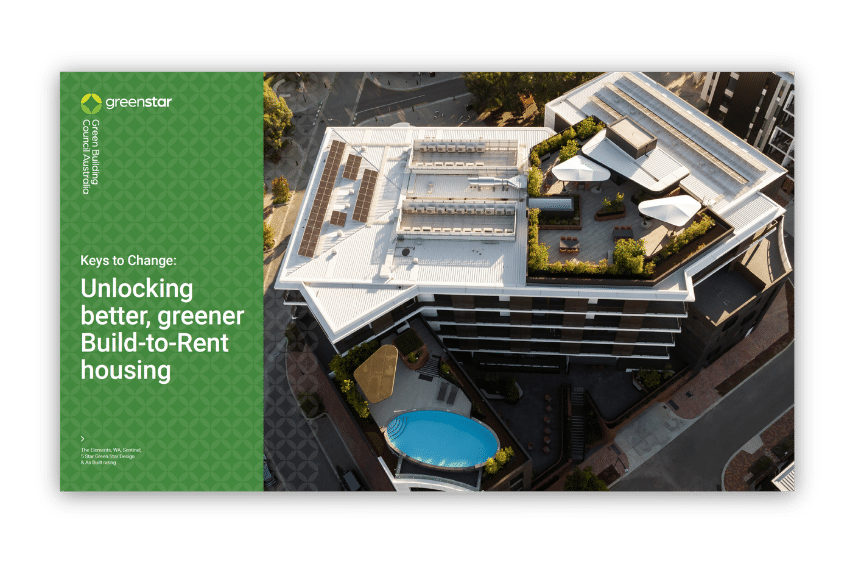
Keys to Change: Unlocking better, greener build-to-rent housing brings together data, modelling and industry perspectives to examine how sustainability shapes long term BtR performance.
This report explores:
- Why early design and investment decisions matter most for long‑hold rental assets
- How sustainability influences operating costs, risk and capital over time
- Evidence from Australia and comparable international BtR markets
- Perspectives from investors, developers and operators shaping the sector
- The role of Green Star in supporting consistent, verified outcomes at scale
Why Green Star matters for build-to-rent
Australia’s build‑to‑rent sector is scaling rapidly. Decisions made today will shape operating costs, tenant experience and asset resilience for decades to come.
Build‑to‑rent is not a short‑term play. Assets are typically held, financed and operated over long timeframes, which means inefficiency, climate exposure and poor design do not disappear — they compound.
As institutional ownership expands, sustainability is shifting from a design preference to a core driver of asset quality, influencing cost, capital pricing, risk management and long‑term value. This transition has already occurred in the office sector. Build‑to‑rent is next.
- Over a third of Australia’s BtR pipeline is already registered for Green Star — representing 50 projects and more than 16,000 apartments
- Australia’s BtR pipeline now totals 39,300 apartments across 113 projects, with a 35% year on year increase*
- Scaling BtR to 10% of the apartment market by 2050, with sustainability embedded, could avoid ~150 million kg of carbon emissions each year while delivering high quality homes for ~450,000 Australians
*BDO figures as at 30 June 2025.
What Green Star delivers for build-to-rent
Green Star is Australia’s leading sustainability rating system for the built environment. For build-to‑rent, it sets a clear, independent standard for environmental, social and operational performance — giving investors, governments and communities confidence that outcomes are real, verified and comparable at scale.
Confidence for capital
Green Star provides trusted, independent ESG verification that institutional capital relies on. It reduces risk, supports access to green and sustainability-linked finance, and strengthens confidence across investors, governments and communities.
Healthier homes, built to retain residents
Green Star certified buildings achieve 10–30% lower energy use, 10–15% lower water use, and 10–40% fewer emissions. All-electric homes deliver healthier, more comfortable living, improving tenant appeal, satisfaction and long-term resident retention.

Performance for the long term
Green Star certification locks in efficiency measures that pay back year after year through more energy-efficient design, better commissioning and more durable systems. For BTR owners, these savings accrue across entire portfolios and persist over decades.
The business case for Green Star build-to-rent
Capital & investment confidence
Green Star gives institutional investors the verified ESG data they need to price risk with confidence. The same discipline that anchored long-term capital in offices and is accelerating BtR maturity.
Reliable, long term returns
International evidence shows green-certified residential assets can deliver:
- Up to 19.7% rental premiums
- 7% renewal probability increase
- 2.3% revenue premiums.
Operational performance
Green Star certification locks in efficiency
- 20–25% lower energy use
- 10-15% lower potable water consumption
- Average annual energy cost savings of $871 per apartment.
Tenant experience & retention
Lower bills, better comfort and healthier homes support BtR’s core business model. Certified multifamily buildings in the US show 23% higher resident satisfaction.
Finance & cost of capital
Studies have found certified green buildings, especially in the residential sector deliver:
- Lower default risk, with one study finding default risk was on average 32% lower for energy-efficient homes
- Improved credit performance, with energy-efficient homes showing materially lower mortgage delinquency rates than conventional stock
- Stronger portfolio resilience, as verified performance reduces uncertainty around operating costs, regulatory exposure and long-term asset obsolescence
- Access to preferential finance, including discounted lending margins, higher loan-to-value ratios and eligibility for green and sustainability-linked capital.
Risk & reputation
The ACCC’s guidance is clear: environmental claims must be specific and supported by evidence, such as “a certification scheme that is independent, transparent, reputable, and robust”. Green Star provides that assurance.
Case studies
Green Star is already being applied across a growing range of build-to-rent projects in Australia, demonstrating how sustainability can be embedded at scale.
CEFC + AXA IM Alts
A $100 million commitment to deliver affordable, all-electric BtR housing, targeting a minimum 5 Star Green Star Buildings rating.
Smith Collective (QLD)
Australia’s largest operational BtR community, achieving 6 Star Green Star Communities and a 4 Star Green Star Performance Portfolio rating.
Exhibition Place (Brisbane)
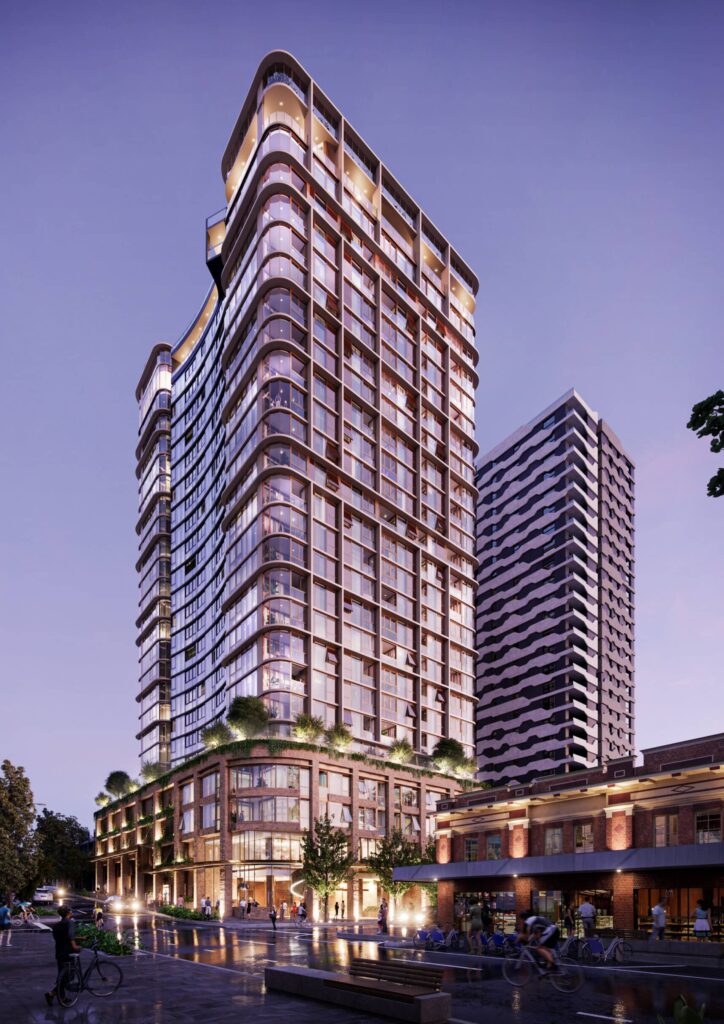
An all-electric, institutional BtR development targeting 5 Star Green Star, backed by global capital partners.
FAQs
Build-to-Rent projects can use both Green Star Buildings and Green Star Performance, depending on the stage of the asset lifecycle.
Most BtR developments pursue Green Star Buildings during the design and construction phase to embed sustainability, resilience and long-term asset performance from the outset.
Once the building is operational, owners can pursue Green Star Performance to verify and continuously improve operational outcomes across areas such as energy, water and carbon.
If you’re unsure which pathway applies to your project, the GBCA Market Engagement team can help advise during early feasibility.
Evidence from 151 Green Star – Design & As Built projects shows that Green Star certification can be delivered for on average less than 2% of total project cost.
While costs will vary depending on project type and ambition, the data shows that sustainability outcomes can typically be achieved with a modest investment relative to overall development budgets. For Build-to-Rent, these upfront investments can deliver long-term value by reducing operating costs, improving indoor environment quality, strengthening asset value and supporting compliance with emerging climate and sustainability regulations.
As the industry transitions to Green Star Buildings, which raises the standard for new developments to address the challenges of the coming decade, cost profiles may evolve.
Yes. Green Star certification provides independent, verified evidence of building performance that lenders and investors increasingly rely on when assessing eligibility for green and sustainability-linked finance.
Green Star Buildings v1.1 aligns with the Australian Sustainable Finance Taxonomy’s climate mitigation criteria for new construction, helping projects meet the requirements of green loans, green bonds and sustainability-linked finance frameworks. Projects that achieve the Climate Positive Pathway also align with the Climate Bonds Initiative, supporting access to global green capital.
Yes. Green Star can support affordable and social housing Build-to-Rent (BtR) projects by helping ensure homes are healthier, more efficient and more affordable to run over the long term.
Green Star encourages design decisions that reduce energy and water use, improve indoor environmental quality and create more resilient buildings. For affordable and social housing providers, this can translate into lower operating costs for residents, improved comfort and wellbeing, and buildings that perform reliably over time.
By embedding sustainability early in the design and delivery phase, Green Star can help housing providers deliver higher-quality homes that remain affordable and resilient for decades.
The earlier, the better.
Engaging with the GBCA during the concept or early design stage allows Green Star sustainability targets to be integrated into key decisions such as building form, services, materials and operational strategy.
This approach is typically more cost-effective and ensures sustainability outcomes are embedded from the outset rather than retrofitted later. GBCA can also provide support on the registration process.
Without independent verification, sustainability claims can be difficult to substantiate — creating regulatory, reputational and investment risk.
The Australian Competition and Consumer Commission has made clear that environmental claims must be evidence-based and supported by credible proof.
For long-hold assets like Build to Rent, independent certification provides the transparency and credibility investors increasingly expect.
With thanks to our Future Homes partners
Gold partner
Supporting partner
Get started with Green Star
Whether you are developing, investing in or managing build-to-rent housing, Green Star can support better outcomes from the outset.